
Use It Or Lose It
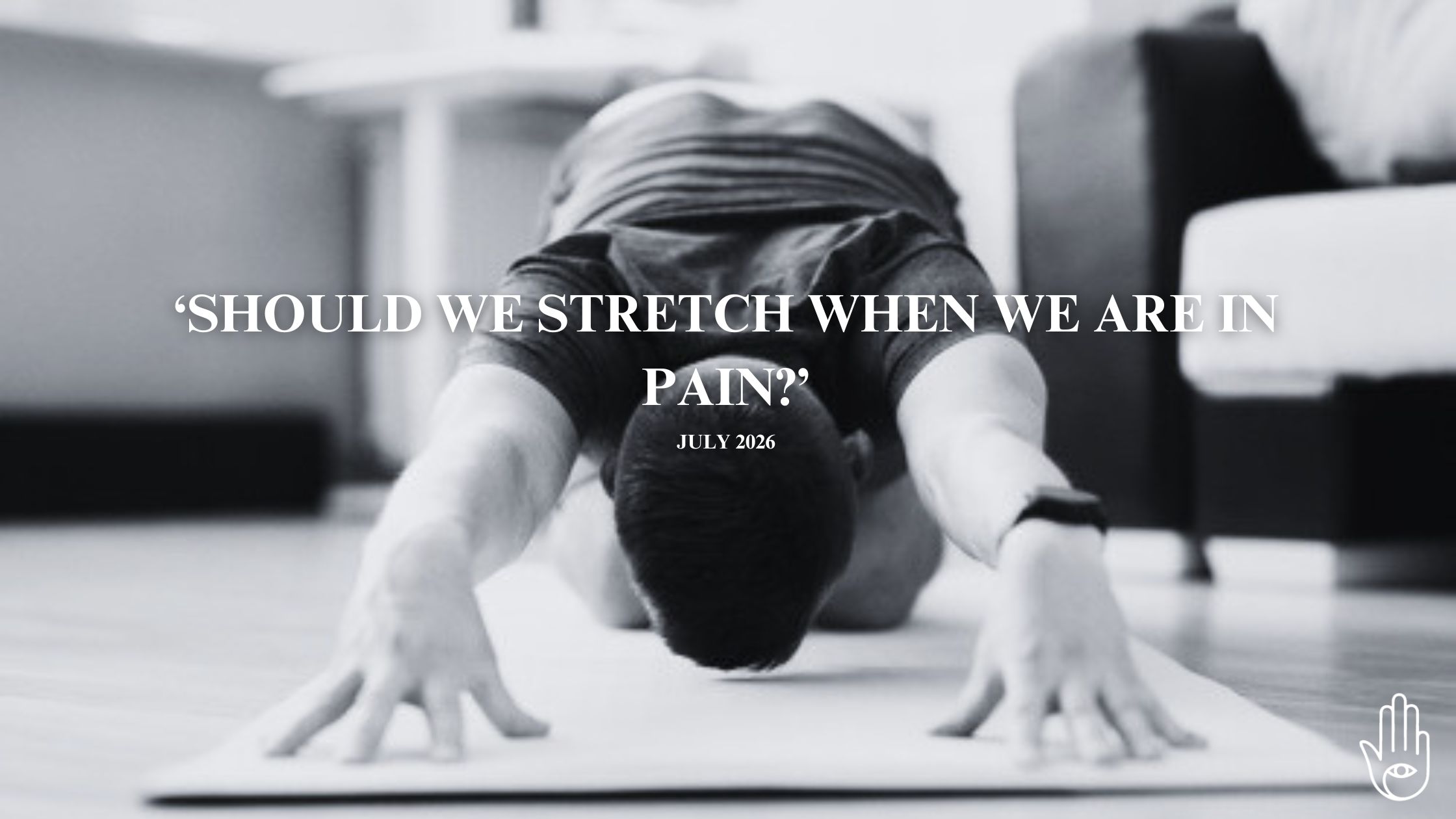
Stretching/pandiculation is a way to modulate pain. All pain has an inflammatory component. When you have a reaction to pain, you get a contraction of the muscles. This is because they are responding to the injured tissue. When we feel pain, we restrict, tighten and try to stabilize as a response to the trauma. My personal experience with clients over the last 30 years, is yes we should stretch/pandiculate and move when we are pain. The reason being, if we don’t use it, we will lose it. Having said that, everyone is different and this is why assessments and then a corrective exercise program with primal patterning should be given.
Clients with shoulder injuries, knee, hip and back problems that did not return to the studio for over 12 months during the on and off times of covid, actually not only lost range of motion in the joint, but built other compensation patterns on the body. If you know anyone who has been bed bound in hospital, you only have to see the waste and contraction of tissues. This is known as: ‘Creep’. ‘Creep’ refers to the progressive deformation of bodily structures, which occur when the structures are under a constant load that they were not designed to handle. It’s a neuromuscular response to static positions. Read my article here: The body is designed to move. If you do not move the body you will lose the flexibility, mobility and tonicity of the body as a whole. There is also a mental/spiritual side to stretching. It elongates and works with mindset, breathing and of course moves our organs too.
Natural Stretching
Now if we look at animals in the wild, such as cats, there is a rest period prior to the stretch. Stretching is an instinctive behaviour for cats. It connects to their physical needs, emotional state, and even their social interactions. If you’ve ever noticed your cat stretching after sleeping, during play, or even when greeting you at the door, you’re seeing a natural and beneficial activity in action. Humans are actually much the same, just we have become so dumbed down with processed foods and sedentary life that we have lost our intuition and natural ability to feel. A dog will also shake out and release tension form its central nervous system as it proceeds form one adventure to another.
We have three types of tissues:
- Tonic – Postural/stability/Aerobic they can work for long periods of tome but have low threshold motor units. This means they are easily excitable, they also want to stabilise the body during dynamic movement.
- Phasic – Fast twitch, they have a high motor unit threshold and consume alot of energy. Therefore, whenever you have trauma/abuse/under use or over use of tissues , you will activate your tonic muscle fibres. This is a guarding or protecting mechanism. When ever you have pain in an area, there will be constriction because the elevated muscle tone reduces circulation the rough the area which causes metabolic waste which leads to acidosis or an acidic build up in the tissue. This can go further irritate and traumatise the tissue and cause the development of trigger points. Meaning this can then send pain to regions of the body and trigger further problems. When you have reduced circulation, you are decreasing blood flow in oxygen and blocking removal of waste which cause the pooling of metabolic waste and irritates the surrounding tissue. Therefore, stretching can be used intelligently to bring blood flow, oxygen and nutrition in.
- Mixed – Exhibit both tonic and phasic properties — Some fibres act as postural stabilisers, others as movers. They can maintain tone in certain positions and also contribute to movement when required. They are a blend of slow‑ and fast‑twitch fibres. Examples: Some back extensors, hip abductors, and other multi‑functional muscles They have a flexible role depending on task and stimulus.
So faulty loading patterns that happen in our daily life means any over-use, under-use, abuse (such as trauma) or disuse (such as not getting adequate exercise!). Tonic muscles tend to shorten in response to over-use, under-use or trauma, whereas phasic muscles tend to lengthen and weaken in response to these types of stimuli. These effects can lead to musculoskeletal imbalance and joint instability when postural and phasic muscles are located on opposing sides of the agonist-antagonist relationship.
Shake, dance & bounce
Remember the body holds stress patterns and our life’s experiences in our tissues. Chinese medicine relates every organ to an emotion. For example: ‘Angry liver’, ‘Green with envy’, ‘pulling on my heart strings’. In olden days we had away of dispersing our stress by shaking, dancing , singing and making music. Many cultures around the world have traditions where drumming, dancing, and rhythmic movement are central to social, spiritual, and ceremonial life. We are in danger of losing the art of expression as we become more dumbed down by media and devices. When was the last time that you sang, danced, laughed or made music. Many forms of meditation include shaking, jumping, screaming, bouncing and chanting gibberish. These are all expressions of our self conscious. Spiritual philosopher and leader Osho promoted dynamic meditation. He said; “First chaotic meditations and then silent meditations… You can move into passivity only when all that is there like junk has been thrown out. Anger has been thrown out, greed has been thrown out… Once you have thrown them out, you can easily slip in’. ‘This means movement-based practices (dance, singing, wild motion) help release tension, anger, and mental clutter, making the mind more receptive to stillness.
A 2025 pub med paper: ‘The effects of chronic stretch training on muscular skeletal pain’ reviewed six studies, four focused on the effects of stretching interventions on pain in patients, while the other two examined pain prevalence during the stretching period. The interventions lasted between 4 weeks and 6 months and involved either static or dynamic stretching techniques with in total 658 participants. Five of the six studies reported a significant decrease in pain scores or a reduction in the prevalence or severity of pain following the observation period. The findings indicate that stretching can alleviate pain by enhancing range of motion and reducing muscle stiffness, which may ease nerve pressure and lower muscle spindle activity. Although results were somewhat mixed, the evidence overall supports stretching as an effective intervention for relieving musculoskeletal pain. 40059246
“Life is like riding a bicycle. To keep your balance, you must keep moving.” – Albert Einstein
Bibliography
Paul Chek media
Osho media
The effects of chronic stretch training on musculoskeletal pain – PMC
Cat Stretching: Why They Do It and What It Means | Fulton County Veterinary Clinic