
I will never ask you, how you are?
Why is this?
It does not encourage a growth mindset and keeps you in the rut of mundane life by either saying, okay or focusing on your problems. Instead I will ask you what your win of the week is or your piece of gratitude. The brain is divided into three sections, fore brain, mid brain and hind brain.
A 2016 research paper: ‘From embryo to adult’ stated: ‘The evolvement of the cerebral cortex is believed to be one of the most critical developmental processes underlying cognitive differences between humans and lower mammals. Indeed, defective development of the cerebral cortex is a major cause of intellectual disability disorders’. PMID: 28367004
Creators Not Victims
Now the hind brain is associated with survival, It acts as the body’s control centre for essential functions we don’t have to think about – like breathing, heart rate, balance, and sleep. Without it, we wouldn’t survive. Hindbrain development is also linked with eating and regulation/control. I encourage fore brain training, so we are always looking to the future and become creators of our futures, rather than victims of our circumstances. When we focus on gratitude and what’s working, this helps develop foresight (fore brain). The environment in which you grew up, right form embryo and through to childhood reflects in your behaviour, reactions and choices.
The 100 Day Habit
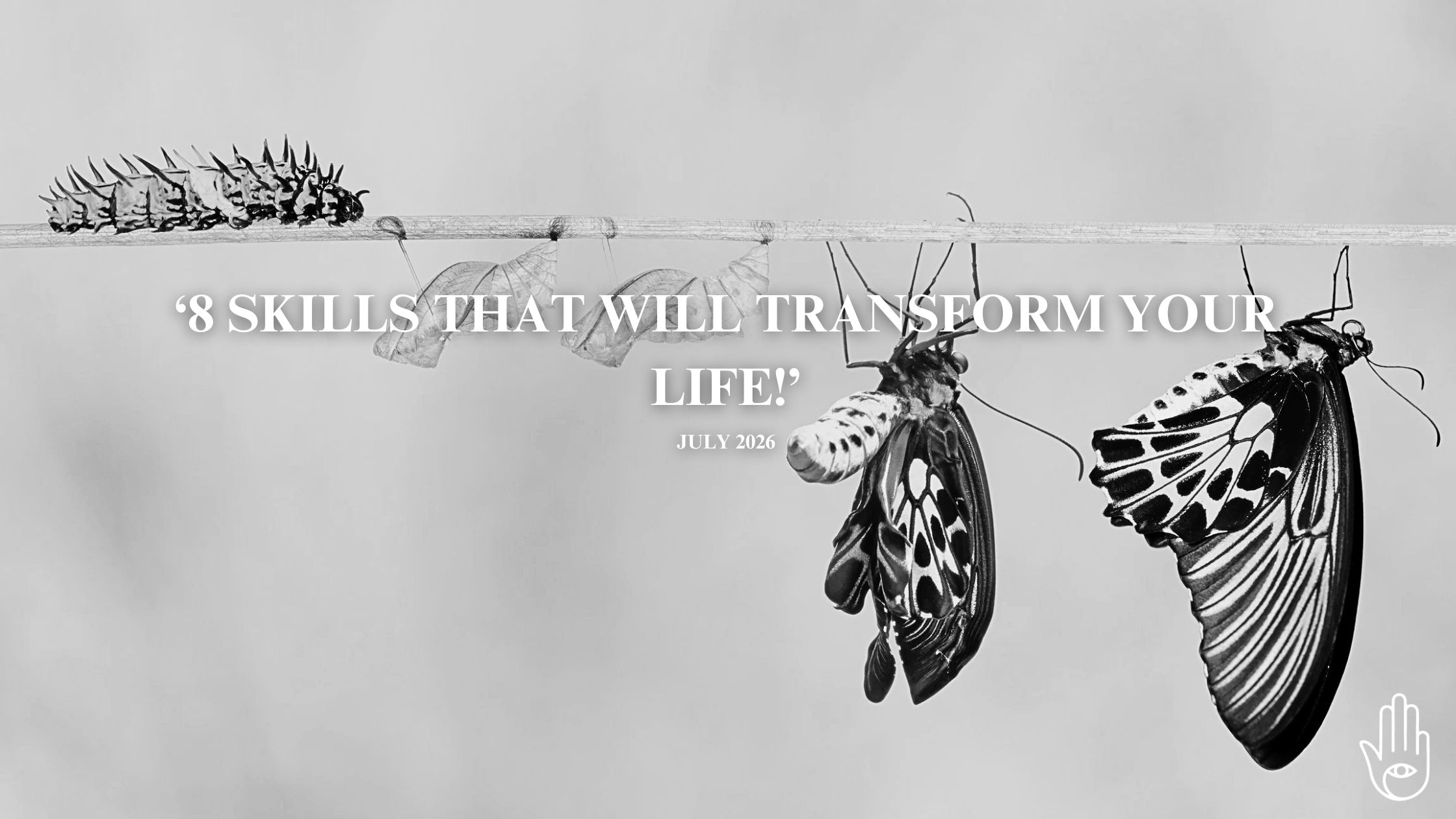
Here are eight skills that will transform your life, if you practice them daily and maintain them for a minimum or 100 days. In Buddhist training, 100 days.
- Stop complaining – Every day appreciate who and what you are with gratitude. Gratitude does not ignore problems, it trains your brain to appreciate what’s working, that will in turn give you energy to fix what’s not.
- Embrace stillness and loneliness – Daily journaling, breathwork or just being still gives you opportunity to reinvent yourself.
- Say goodbye to people who don’t bring positivity to your life. Instead choose circles that have a growth mindset and push you forwards.
- Limit media, doom scrolling and the TV. Mindless hours take away form your future and block your life.
- Pick one skill, that you want to cultivate and put all your effort into that. On high value skill can change your income and your life. This will take you further than motivation ever will.
- Commit to the goals you set and stop looking back. Stop rewinding the plan each week.
- Move and sweat every day (stretch, walk, run, lift, swim) to boost your productivity, clear anxiety and improve sleep. This will make discipline seem easier
- Always fall forwards and learn from your mistakes. Remember we learn more from pain, than we do form pleasure.
Buddhist Philosophy
The concept of the 100 day habit in Buddhist philosophy is deeply rooted in the understanding of life’s
impermanence and the cyclical nature of samsara. It emphasizes the importance of daily practices and habits in
shaping one’s spiritual journey. The 100-day habit is a reminder to cultivate positive daily habits that
contribute to personal growth and the well-being of oneself and others. This practice is not just about making a
change but about making a lasting impact on one’s life and the lives of those around them.
Who looks outside dreams, who looks inside awakens’ – Carl Jung
Bibliography