
This weekend I attended the most explorative somatic, sound and yoga workshop from the luscious Nikki Cohen at: ‘Manchester Yoga central’. Nikki explored somatic movement in the physical, mental and emotional. We shook, bounced, vibrated, undulated, relaxed and breathed through a cosmic two hour meditative movement set. Her talent for music, instruments and sound truly won my heart. A question many movement therapists pose to me: ‘Should Music Accompany Movement? Below I will be exploring the ancient bond between rhythm and motion.
Rhythm in our bones
It’s 2026 and we have a pandemic of dis-ease including bone related issues started with the words ‘osteo’. A May 2026 science direct research paper titled : ‘Rhythms in your bones: how circadian rhythms impact bone cell function and skeletal health’, stated the connection between sleep and skeletal health. The term: ‘Surrounding the dragon’ was taught to me by Paul Chek. In a nutshell when making the human body optimal, we must look at sleep, diet, breathing, hydration, movement and belief system.
Circadian Rhythms
Circadian rhythms are 24-h cycles generated by molecular clocks playing a central role in how bone tissue is formed, resorbed, and remodelled during the 24-h cycle. ‘Bone cells express core clock proteins, which coordinate the timing of these processes, each contributing differently to the balance between bone formation and resorption. These intrinsic bone-cell clocks are further influenced by external temporal cues, including hormonal effects and mechanical forces such as exercise. Taken together, these features indicate that skeletal bone tissue is significantly influenced by the peripheral clock.‘1
Repetition
My mother was a shift worker nurse in the hospital and then onto care homes. Working a 12/12 shift left her depleted and craving starch/sugars and instant coffee which as we know is catabolic breakdown. A study in mice showed that, ‘Repeated shifts of the light–dark cycle, used as a model of shift work or jet lag, reduce bone formation and cause structural changes consistent with bone loss. In humans, sleep restriction lowers circulation markers for bone formation.’2
Our hormones are effected by many things including our nutrition, which can work against us or for us in the production of melatonin. Melatonin is primarily produced by the pineal gland, which is located in the brain. It is a hormone that plays a crucial role in regulating the sleep wake cycle, and is influenced by light and dark conditions. When it is dark, the pineal gland produces melatonin, signalling the body to sleep. Conversely, light exposure inhibits melatonin production, helping to maintain wakefulness during the day.
Ancient ancestorial tribes
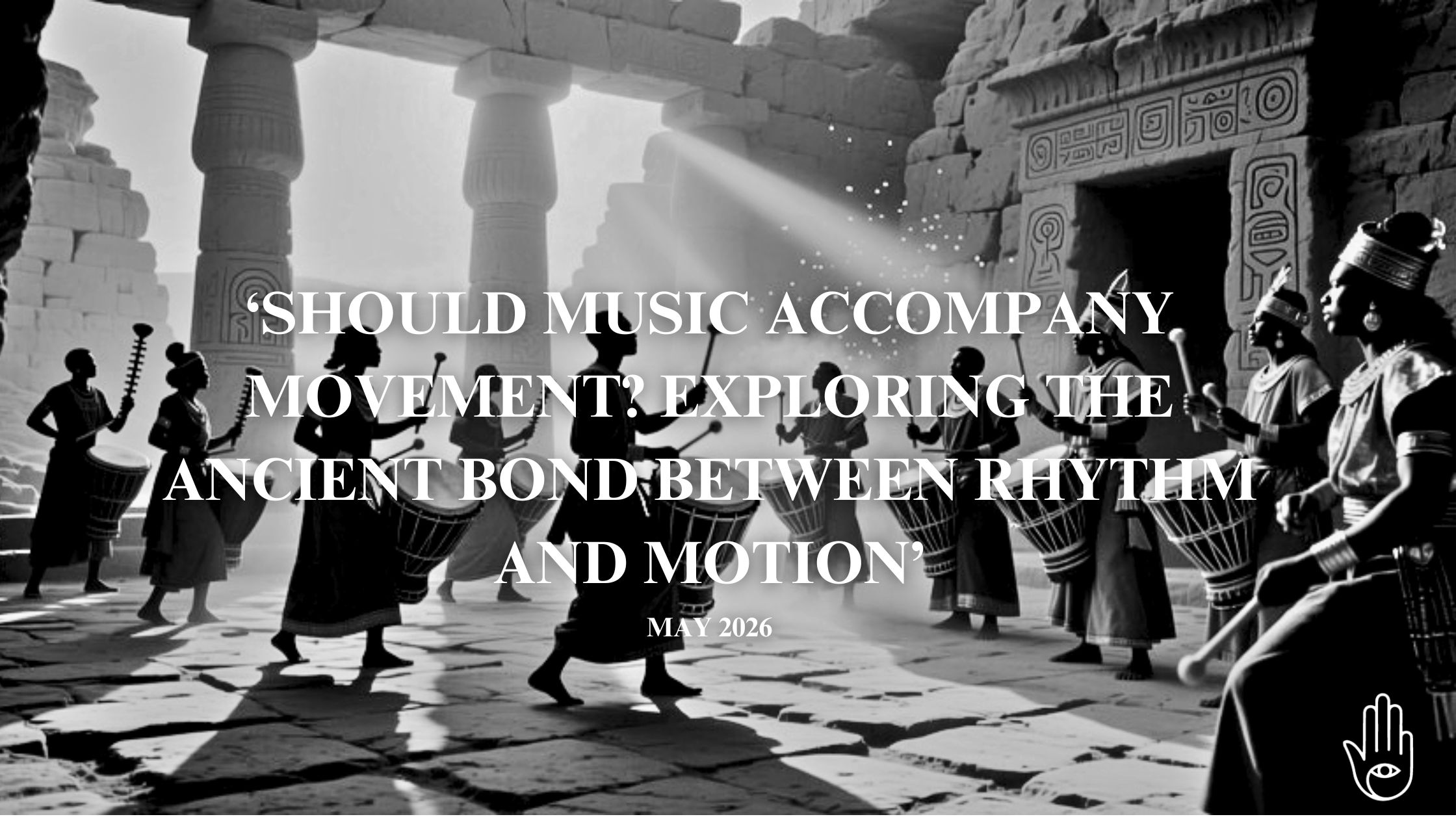
Before there were smartphones, radio waves, or telegraph lines, ancient tribes communicated through drumming. ‘Drums don’t just imitate the rhythm of speech—they replicate the actual tonal patterns, pitch variations, and linguistic structures of spoken languages.’ 3 The drum communication networks created sophisticated information systems that could coordinate community activities across vast regions. Market days, ceremonial gatherings, military movements, and social events were all coordinated through drum messages that travelled faster than any human messenger. African healers have long understood—specific rhythmic patterns can alter brain states, reduce stress, facilitate emotional processing, and strengthen social bonds. The healing drums used in traditional ceremonies create rhythmic environments that support both individual and collective well-being.’ 4
Nikole Tesla well understood the connection to rhythm, frequency, energy and vibration. Tesla’s work with 369 frequency suggests that the key to harmony between plants, animals and humans is held in the vibration. Today many professional athletes use Tesla’s rotary, spiral movement system to train the body.
So going back to the beginning question should music accompany movement. The answer is both YES and NO!
Yes – The tunes, can lift our mood by energising us, slow us down, and help to calibrate the nervous system. It can create community and connection and build an amazing atmosphere in class. Music festivals are a celebration and a gathering, a place where we can all come together without separation and segregation.
No – It can become a distraction, as we don’t want to face ourselves and need constant noise to hide from our soul.
‘There is music wherever there is rhythm, as there is life wherever there beats a pulse’ – Igor Stravinsky
Bibliography
Paul Chek – HLC courses